Intent
 At Highwood Primary School, we believe that science is a lens through which pupils explore, understand, and make sense of the natural and physical world. Inspired by the Primary Science Quality Mark (PSQM) principles of practice, our curriculum is designed to engage, inspire and challenge all learners.
Our intent is to provide a progressively sequenced curriculum that develops secure scientific content knowledge alongside explicit procedural knowledge through Working Scientifically. Pupils are encouraged to ask questions, think critically, and investigate phenomena, enabling them to see the relevance of science in their everyday lives and future opportunities.
Through planned progression and conceptual development, pupils revisit and deepen key ideas over time, making meaningful connections across units and year groups. We place a strong emphasis on the explicit teaching and modelling of scientific vocabulary, supporting children to articulate their understanding with confidence, thereby strengthening their oracy skills.
In line with PSQM’s commitment to inclusion and equity, our curriculum ensures that all pupils, including those with SEND and those who are disadvantaged, can access and succeed in science through adaptive teaching, scaffolded support, and rich, meaningful practical experiences. We are dedicated to building pupils’ science capital, enabling every child to see themselves as a scientist and to recognise the importance and possibilities of science in the wider world.
Implementation
At Highwood Primary School, we ensure that our science planning follows a clear progression of skills and ensures that there is full coverage of, ‘The National Curriculum programmes of study for Science 2014’. Scientific learning is structured to ensure clear progression in substantive knowledge, Working Scientifically skills and scientific enquiry approaches from EYFS to Year 6.
Science is taught through clearly defined units, with curriculum time allocated to allow pupils to revisit, deepen and connect prior learning. Units are sequenced using a whole-school progression framework for knowledge, skills and enquiry, ensuring coherence across year groups and avoiding gaps or unnecessary repetition.
Where possible, Science is linked to other subjects to support pupils in developing links between subject areas. Enrichment opportunities will be provided throughout the school year, which may include themed weeks, school trips and visitors. Science is taught as discrete units and lessons where needed to ensure coverage.
Before teaching each unit teachers will:
- Assess pupils’ prior knowledge using unit concept maps, which are revisited and built upon throughout the unit.
- Plan lessons that explicitly integrate knowledge objectives, Working Scientifically outcomes and scientific enquiry approaches, with clarity about what will be assessed.
- Identify and plan for the teaching of key scientific vocabulary, ensuring terminology is deliberately taught, modelled and revisited.
- Anticipate common misconceptions and plan appropriate scaffolds and adaptations to support all learners.
During each unit teachers will:
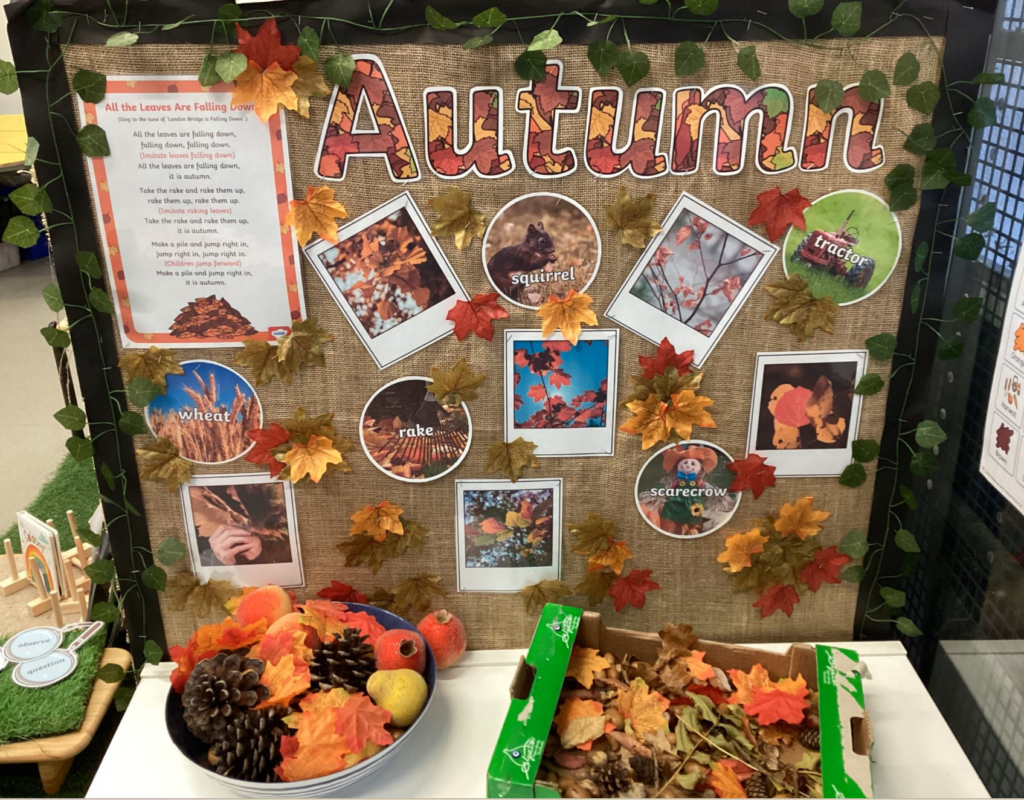
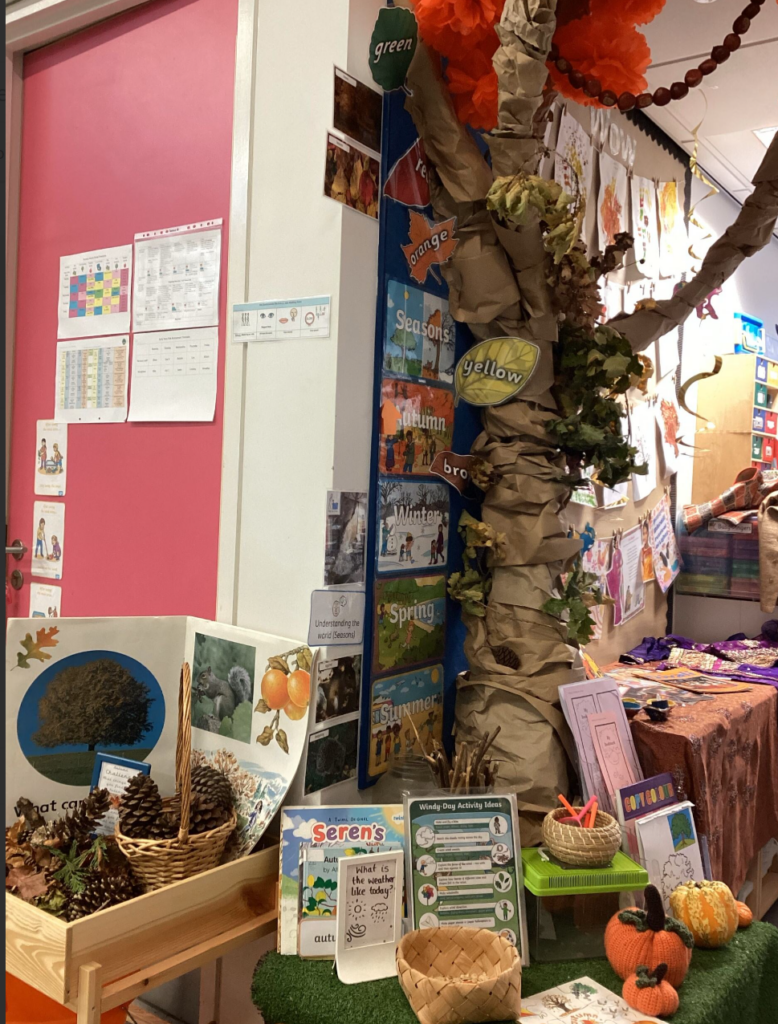
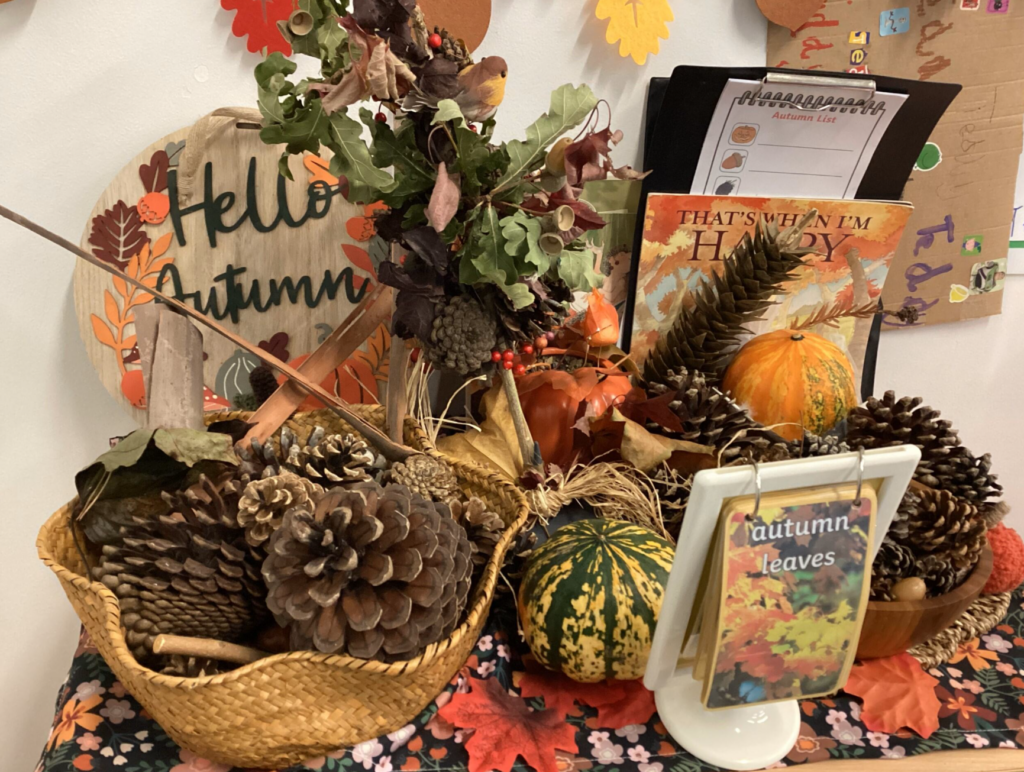
- In Early Years, teach science through a balance of adult-led inputs and child-initiated exploration, supported by storytelling, ‘wow’ moments and continuous provision that enables children to observe, investigate and ask questions about the world.
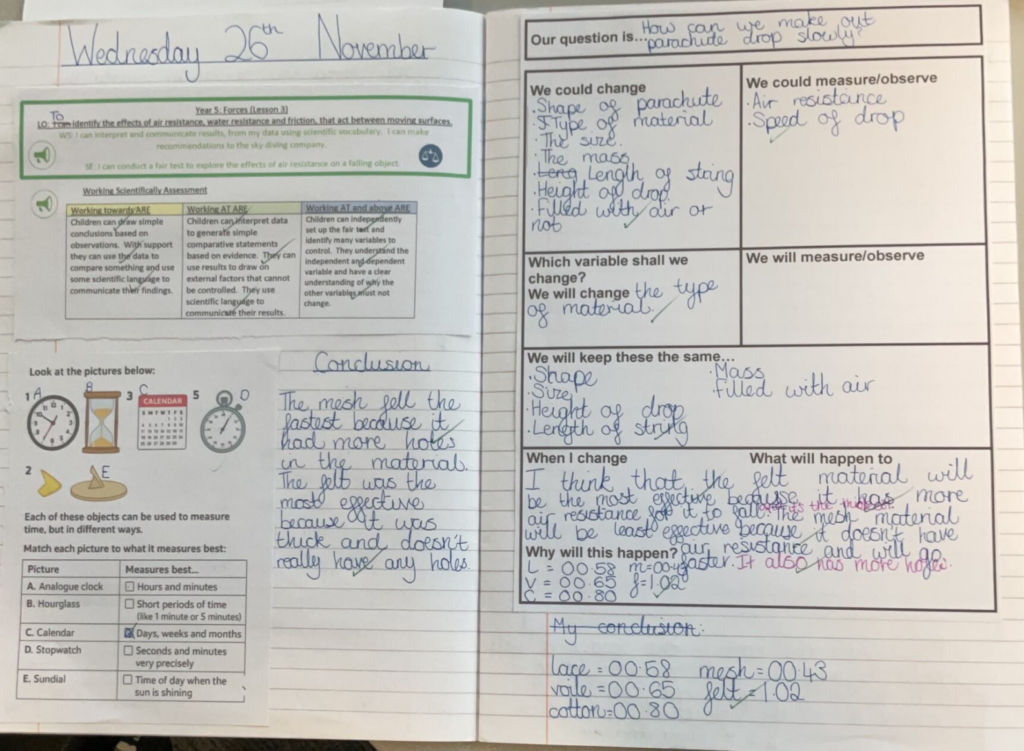
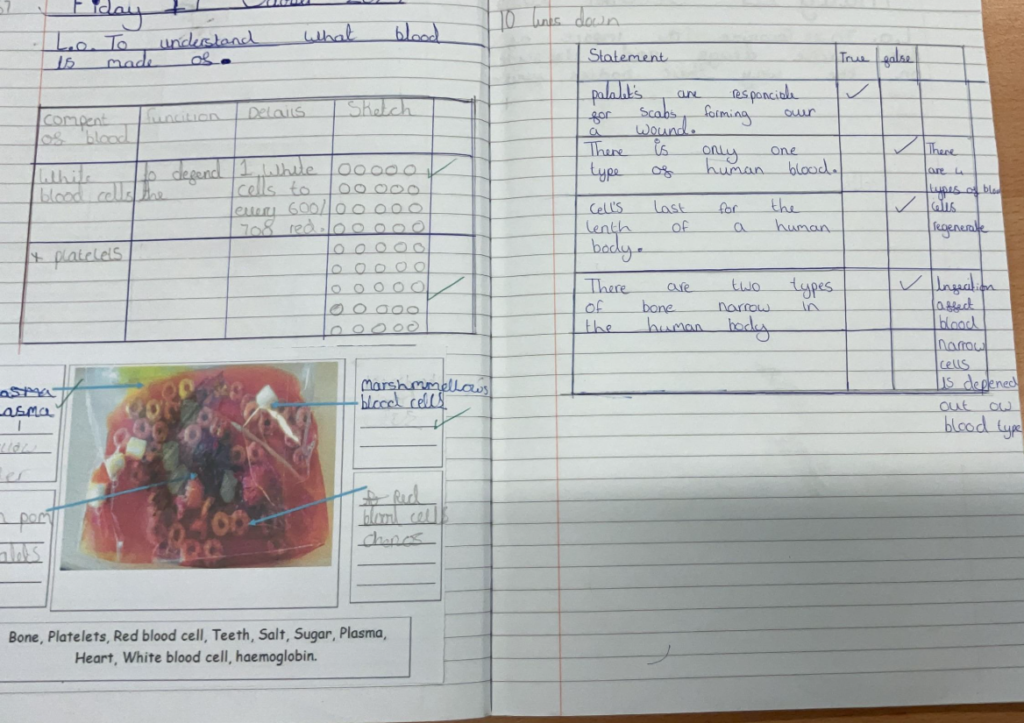
- Deliver lessons with three clearly defined outcomes: a knowledge focus, a Working Scientifically focus (which forms the main recorded outcome) and a scientific enquiry approach.
- Embed retrieval practice in every lesson through structured recap activities, recall challenges and retrieval from previous lessons, units and year groups.
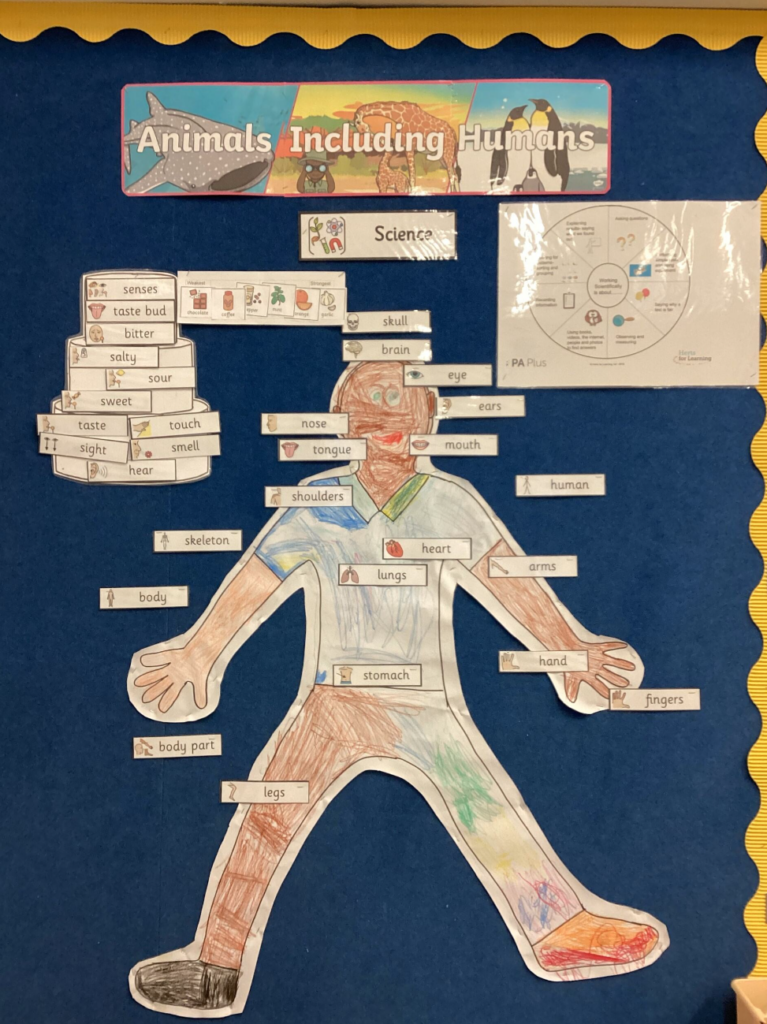
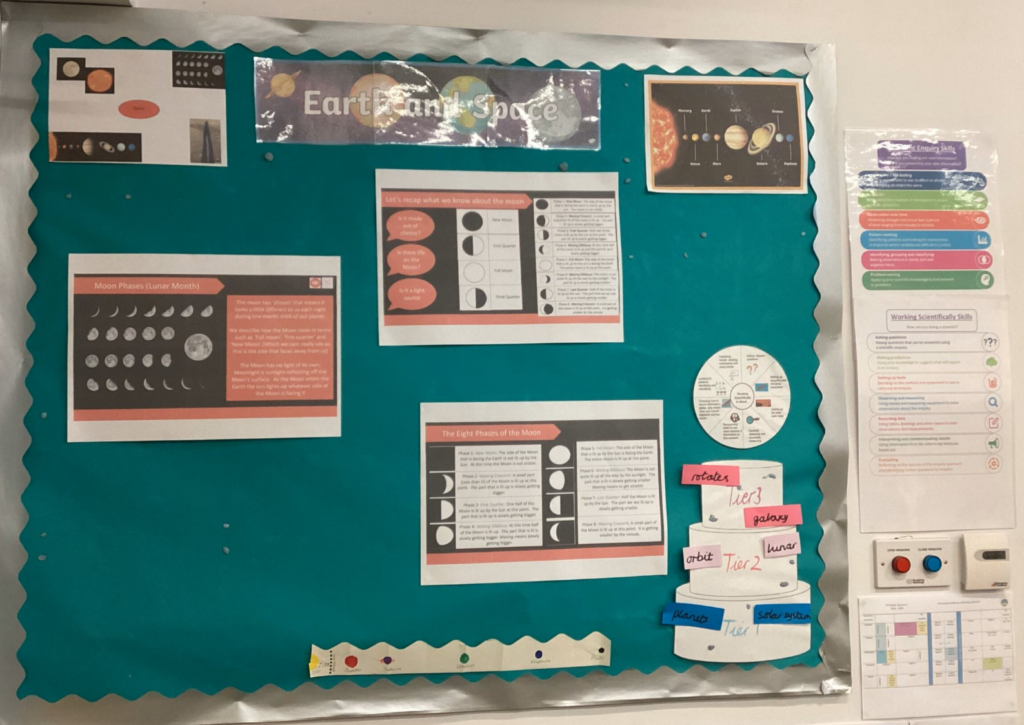
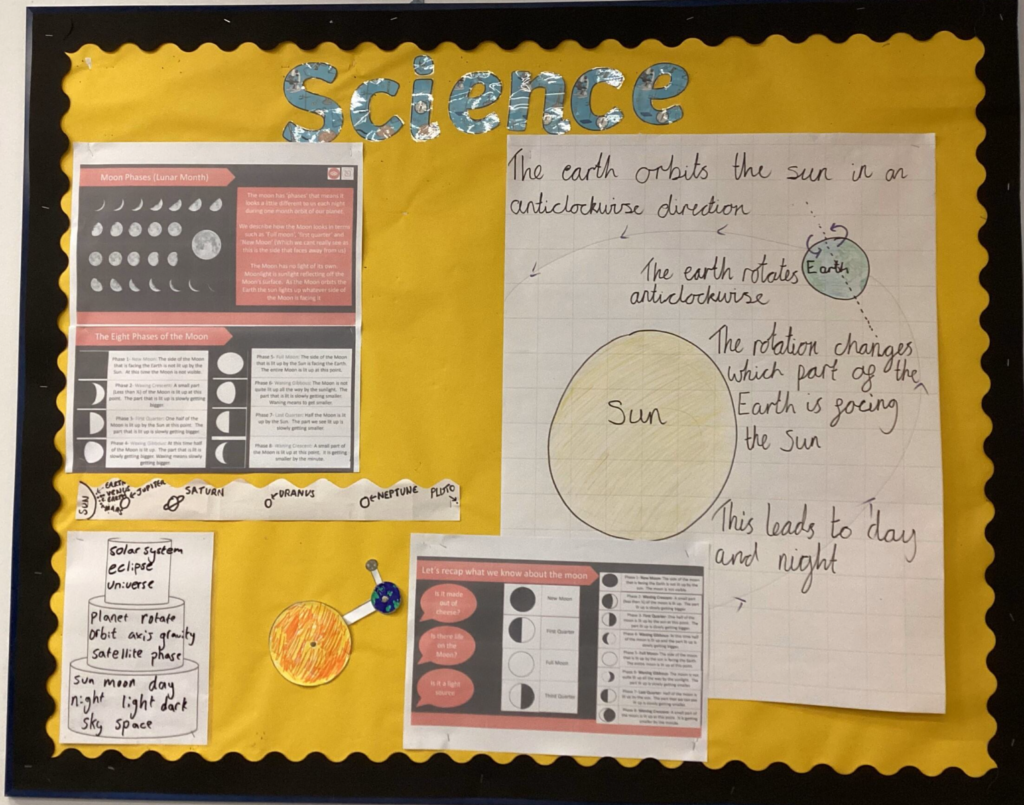
- Explicitly teach and model scientific language, supported through working walls, visuals and symbols (including Widgit where appropriate) so that all pupils can access and articulate their understanding.
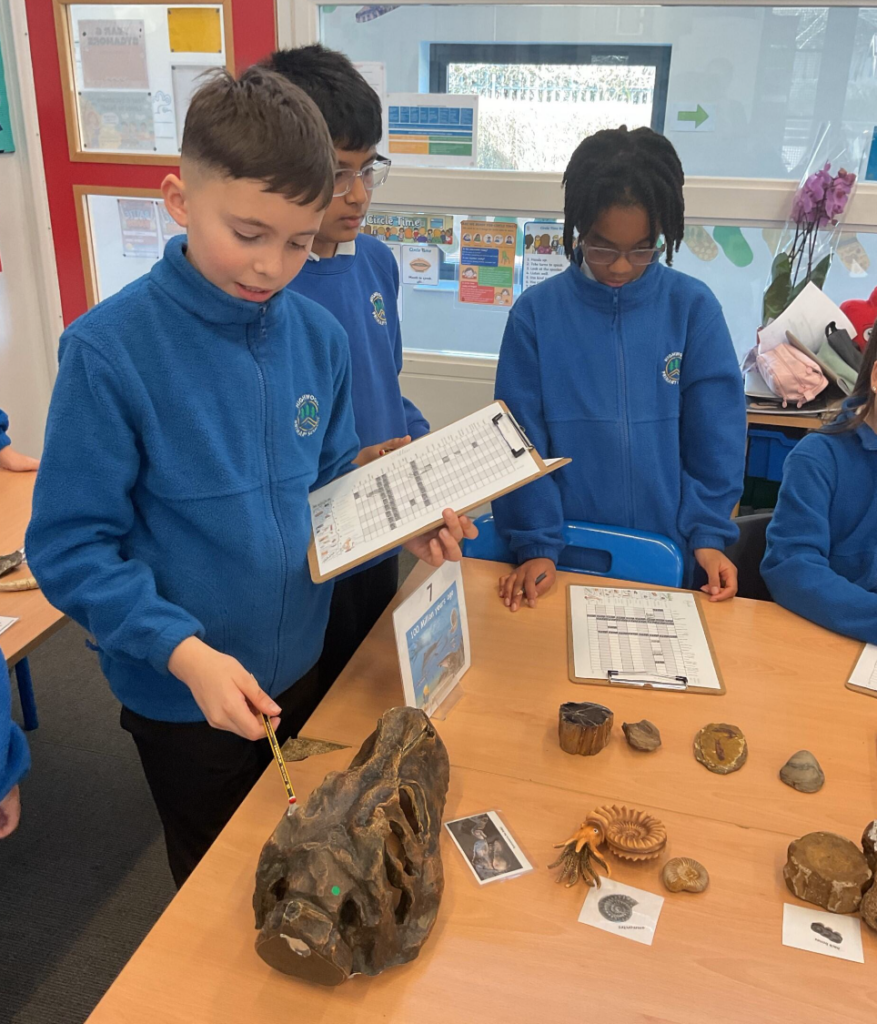
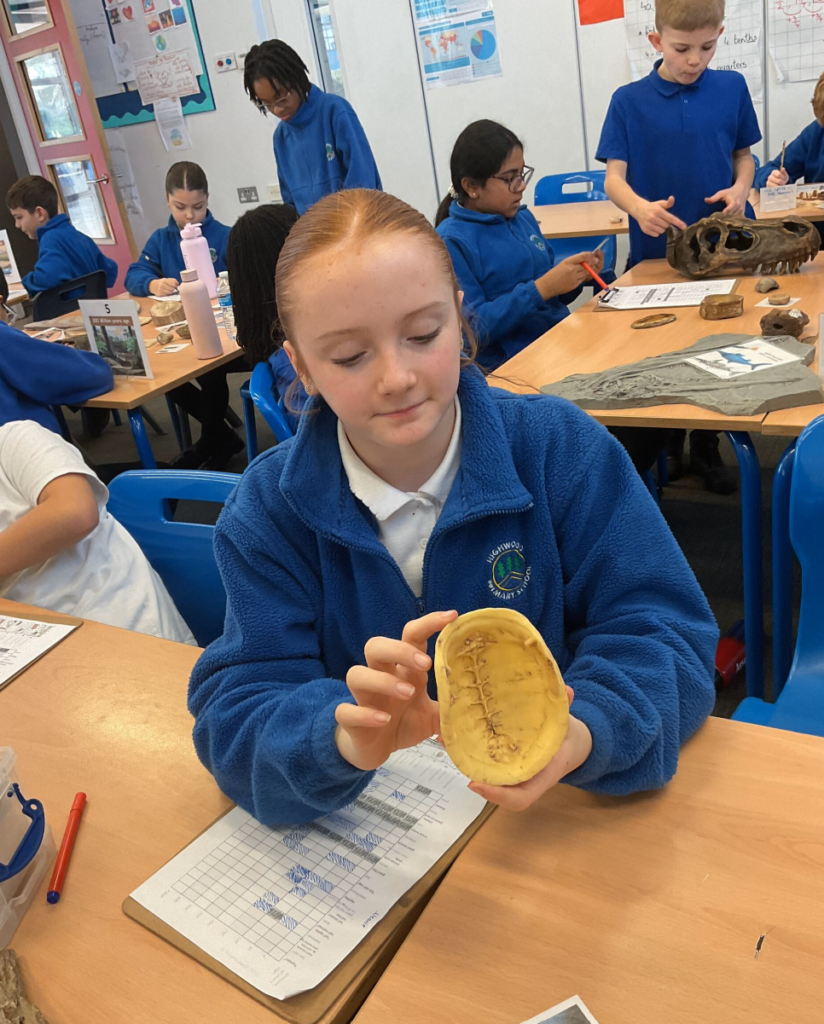
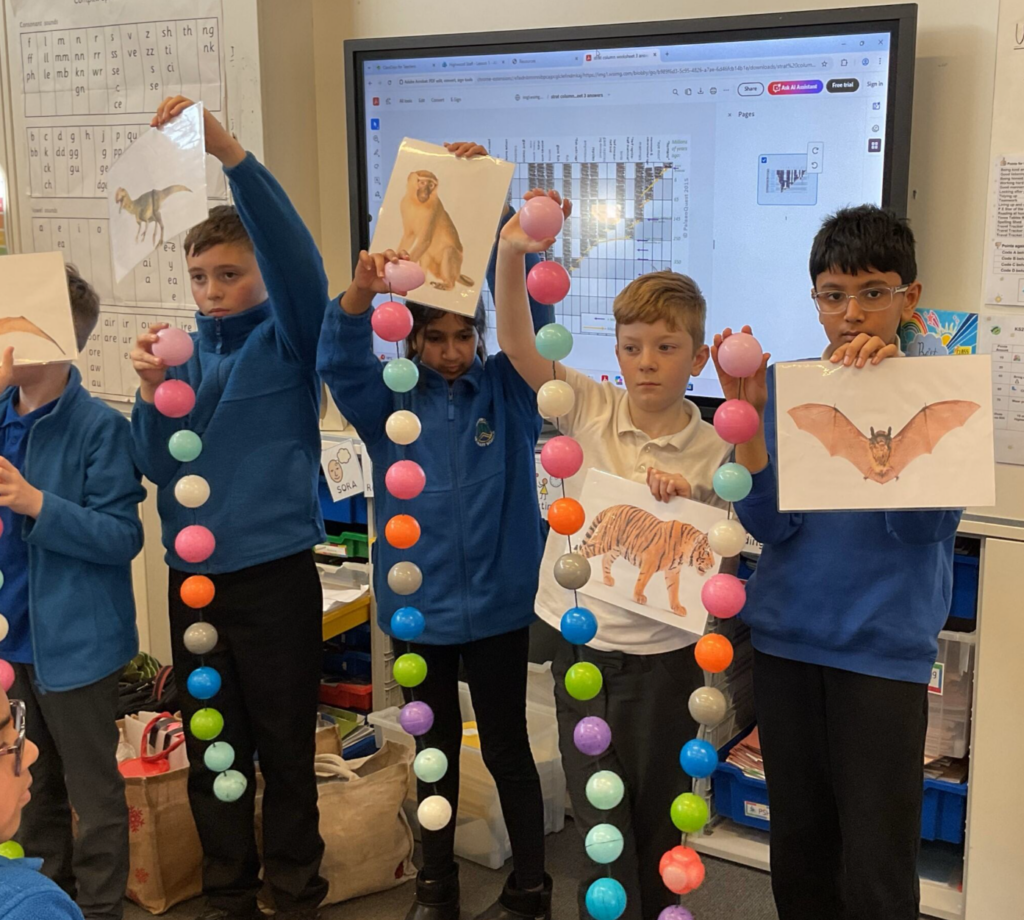
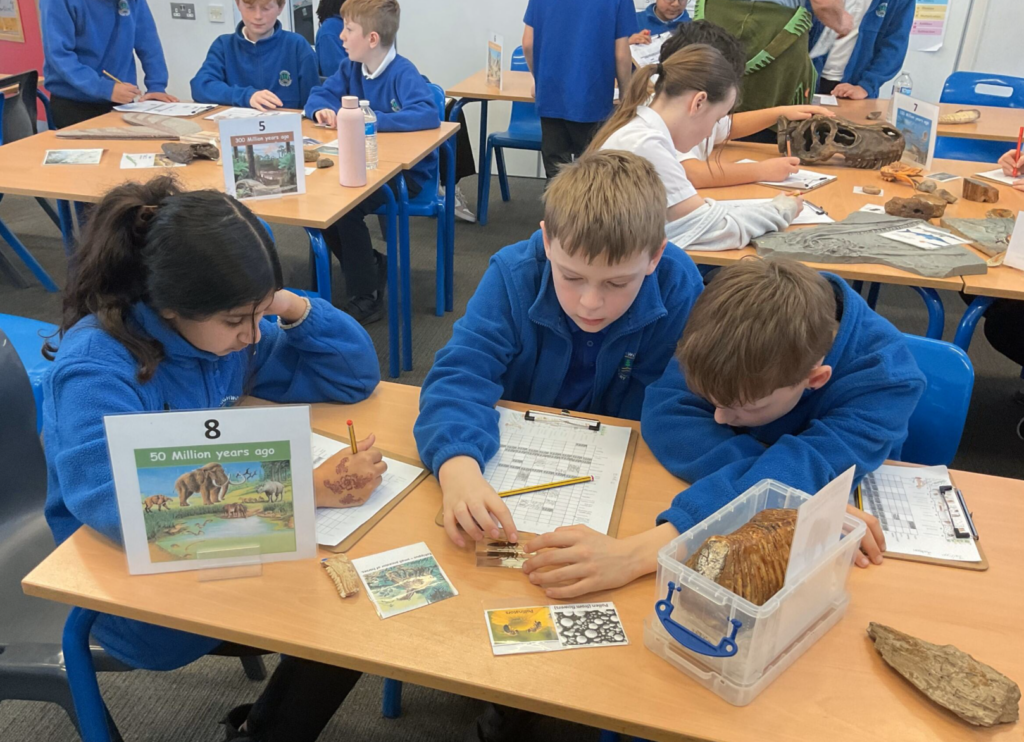
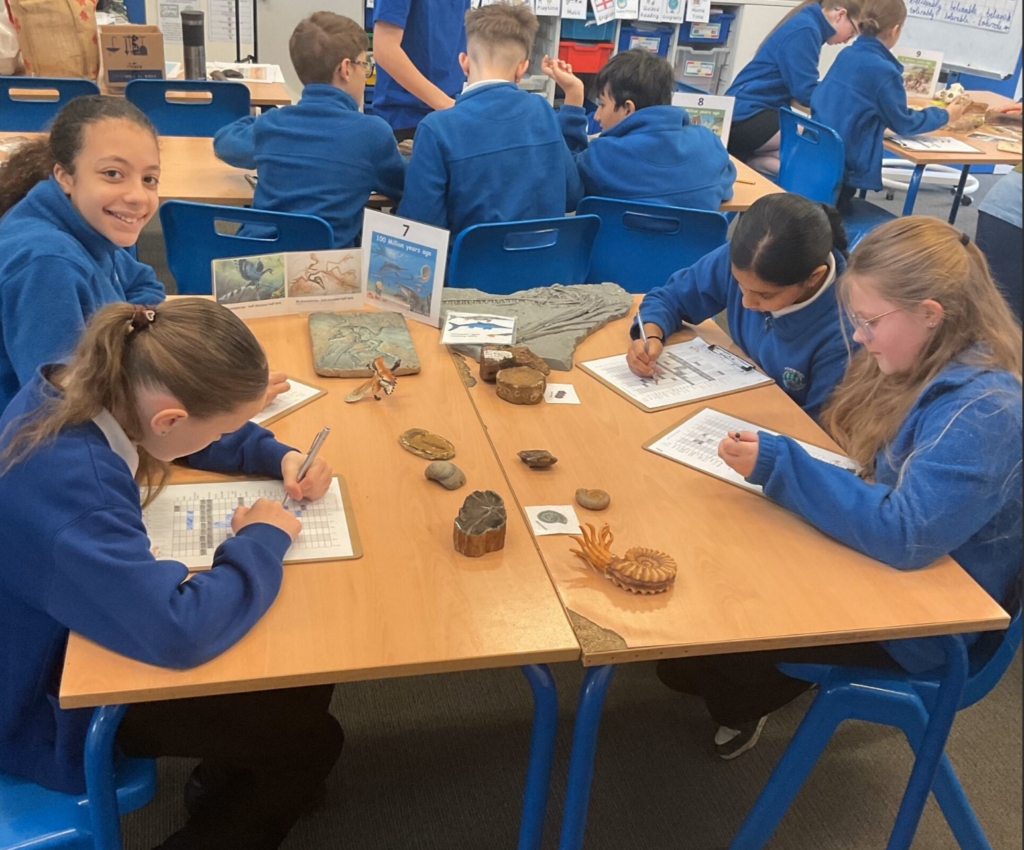
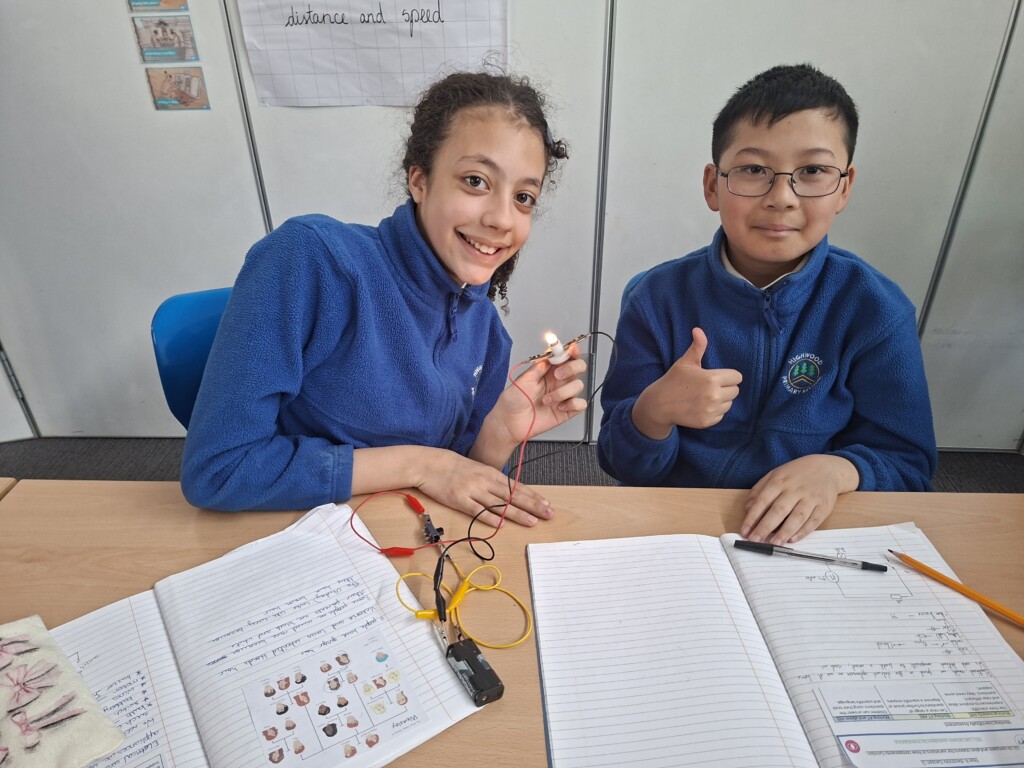
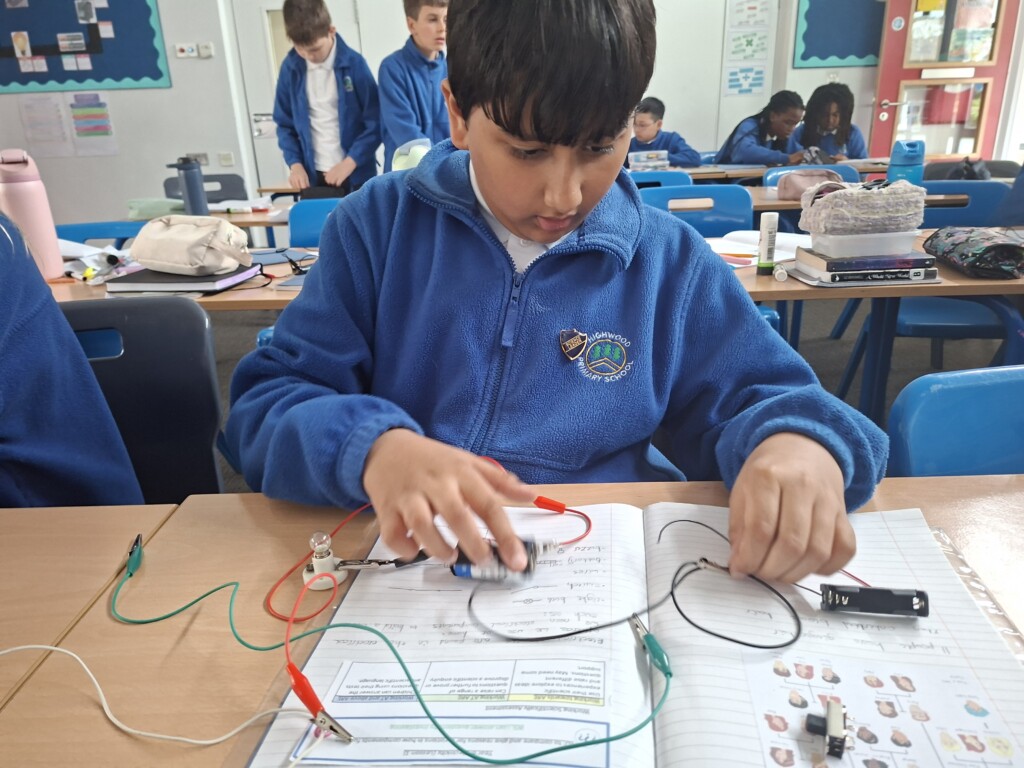
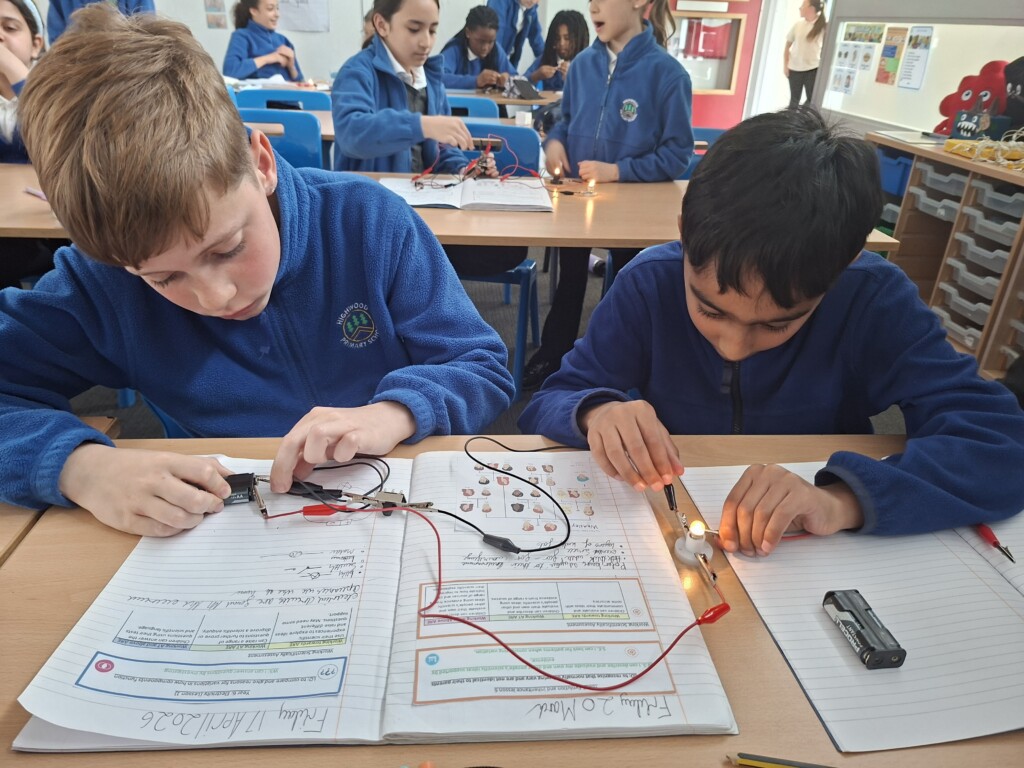
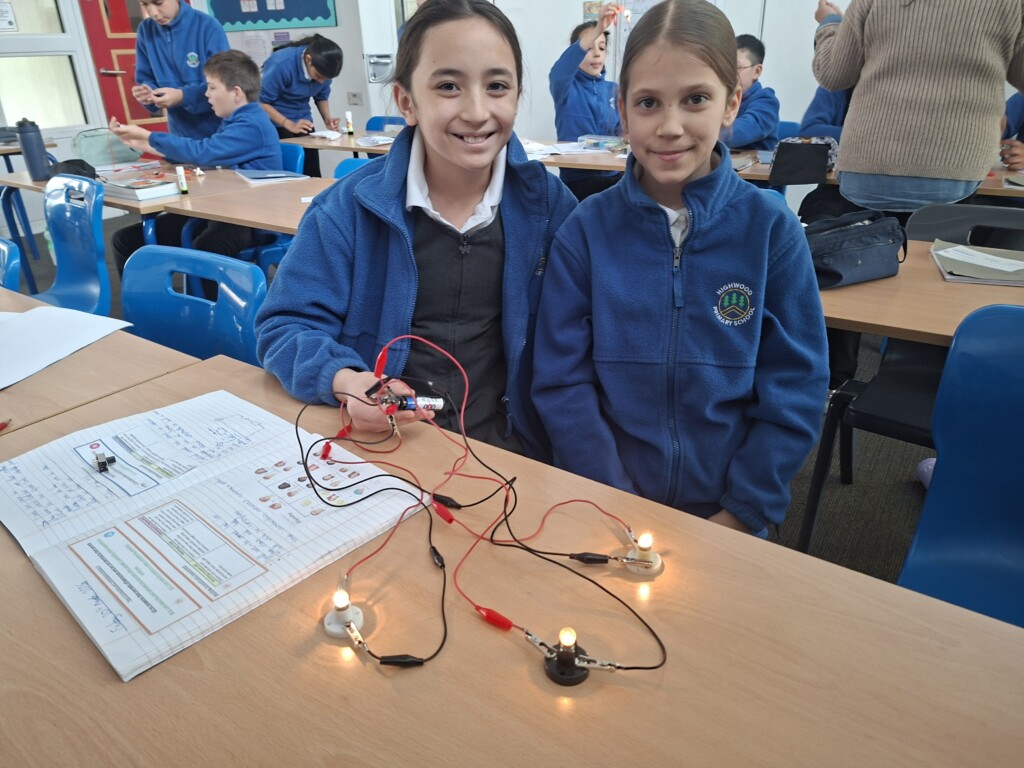
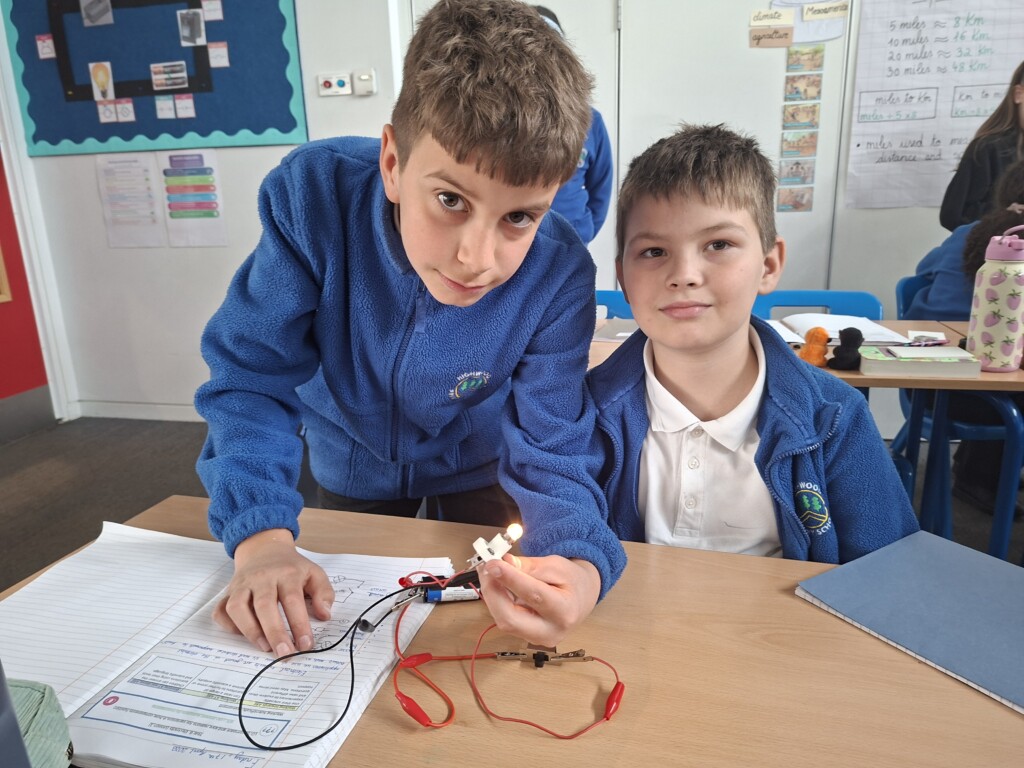
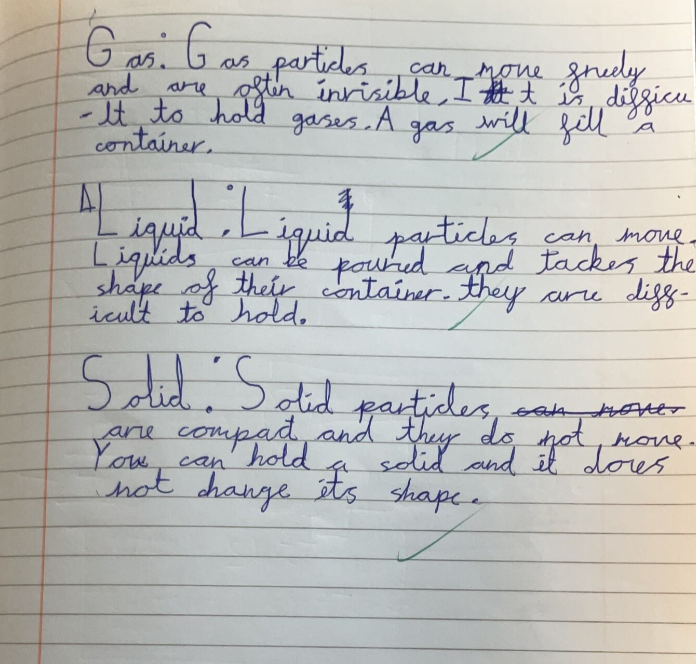
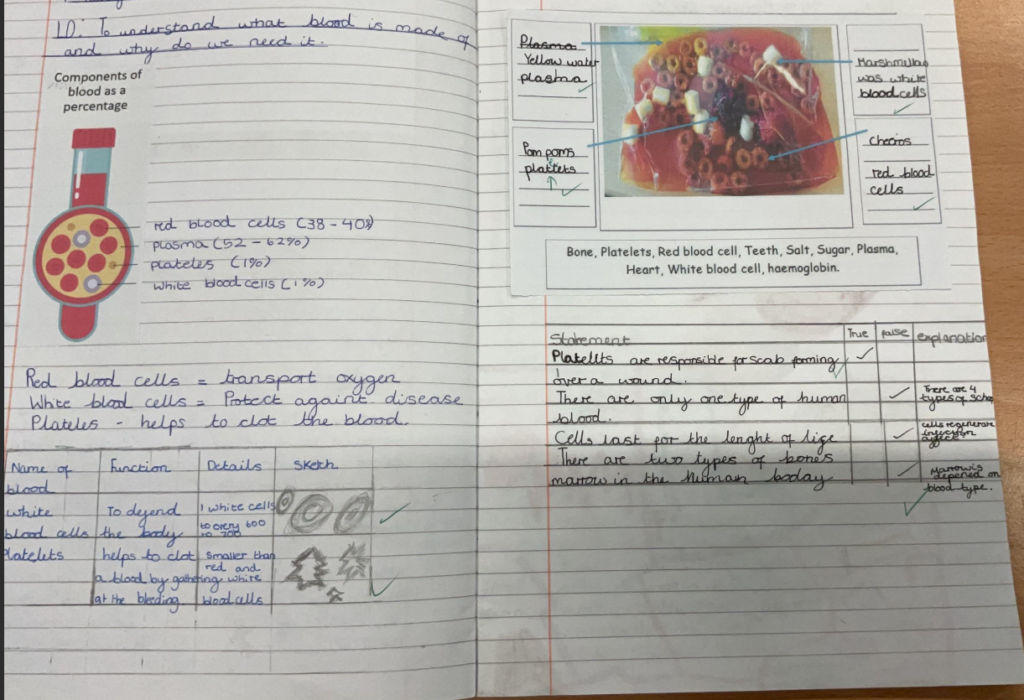
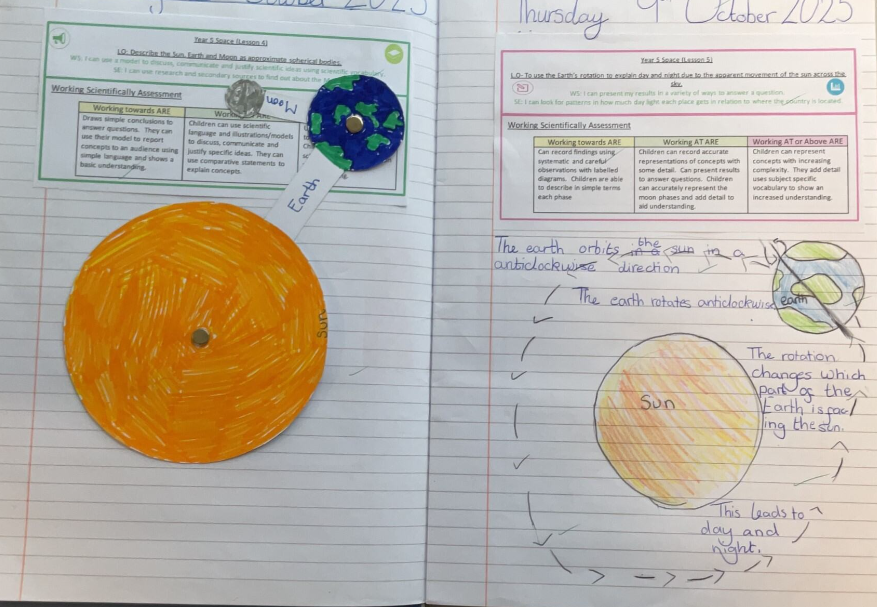
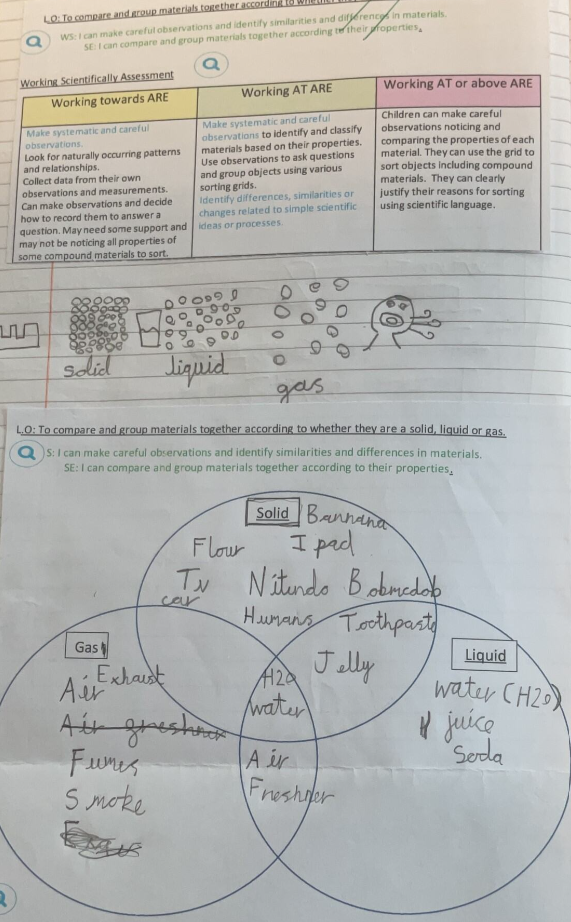
- Provide regular opportunities for hands-on, practical science, including observing over time, pattern seeking, fair testing, researching, classifying and problem solving.
- Use adaptive teaching strategies, including chunking learning, scaffolded tasks, recall slips with reduced cognitive load, guided groups and additional adult support to ensure accessibility for SEND and disadvantaged pupils.
- Promote science capital by valuing pupils’ experiences, making real-world connections and exploring the work of scientists from diverse backgrounds.
- Use the outdoor environment and local context where relevant to strengthen observational skills and real-world understanding.
At the end of each unit pupils will:
- Complete low-stakes end-of-unit assessments to demonstrate retention of key scientific knowledge.
- Review and reflect on their concept maps, articulating how their understanding has developed over time.
- Reflect on the Working Scientifically skills they have used and how these have supported their learning.
After each unit teachers will:
- Assess pupils’ knowledge against clearly defined learning objectives and key indicators, using evidence gathered throughout the unit.
- Record pupils who require additional support to ensure gaps are addressed through retrieval or pre-teaching when those skills are revisited.
- Use assessment information to inform future planning and ensure continuity and progression across units and year groups.
Impact
What will this look like?
Through pupil voice we will see:
- Pupils express their passion for science by talking enthusiastically about their learning and sharing their knowledge and understanding of Science.
- Pupils explain and demonstrate how they support their peers during investigations and seek help from them when it is required.
- Pupils discuss how they have shown resilience during lessons and turned their mistakes in to successes.
- Pupils using a wide variety of scientific vocabulary and be able to use it to describe ideas, objects, and phenomena.
Through learning walks we will see:
- Pupils demonstrating their love of science through their high levels of engagement.
- Pupils showing curiosity by asking relevant questions.
- Pupils discussing their learning and explain how it links to previous lessons.
- Pupils demonstrating their resilience by looking for solutions to problems they encounter.
- Pupils demonstrating their understanding of working scientifically and articulate what skills they are using in the lesson.
- Teachers consistently modelling and reinforcing correct scientific language.
- Lessons that are clearly sequenced, enabling pupils to build knowledge and skills progressively.
In the pupil’s learning we will see:
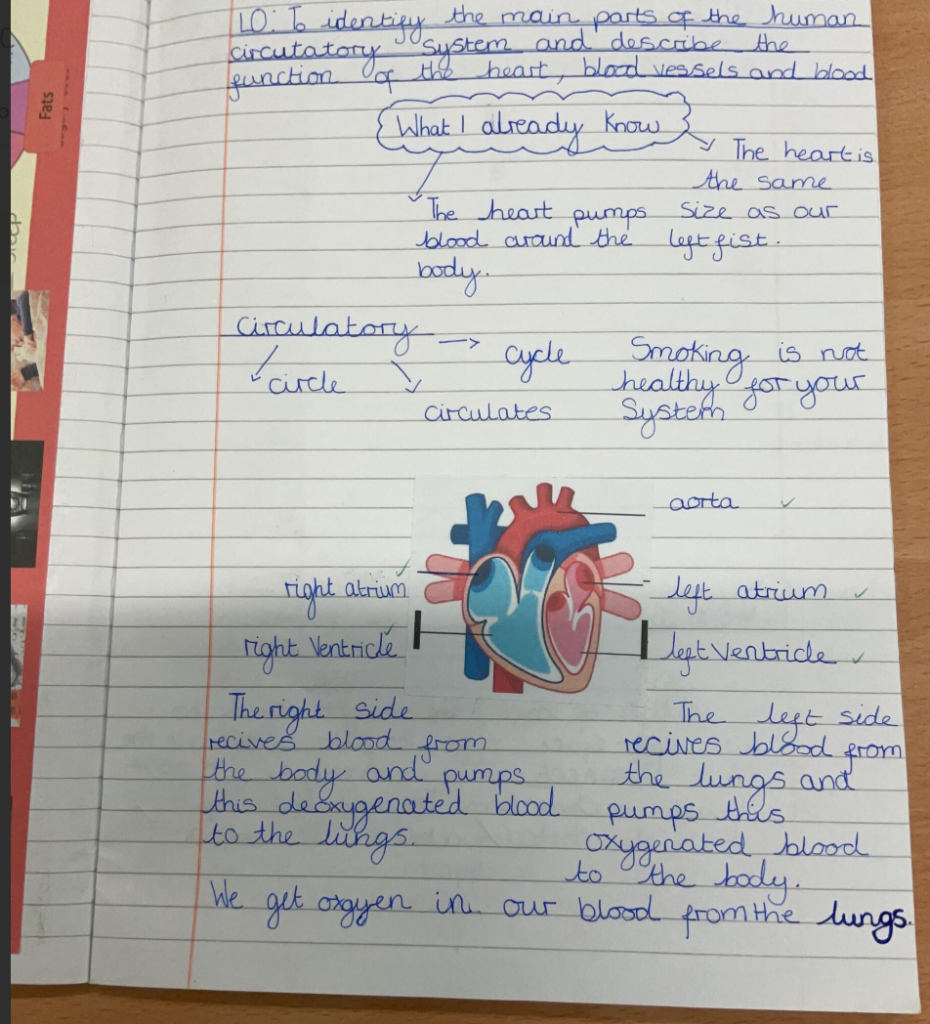
- A passion for Science through the quality of work produced.
- Purposeful application of learning from other subjects, particularly literacy, mathematics and computing.
- Appropriately scaffolded tasks that enable all pupils, including SEND and disadvantaged learners, to make progress.
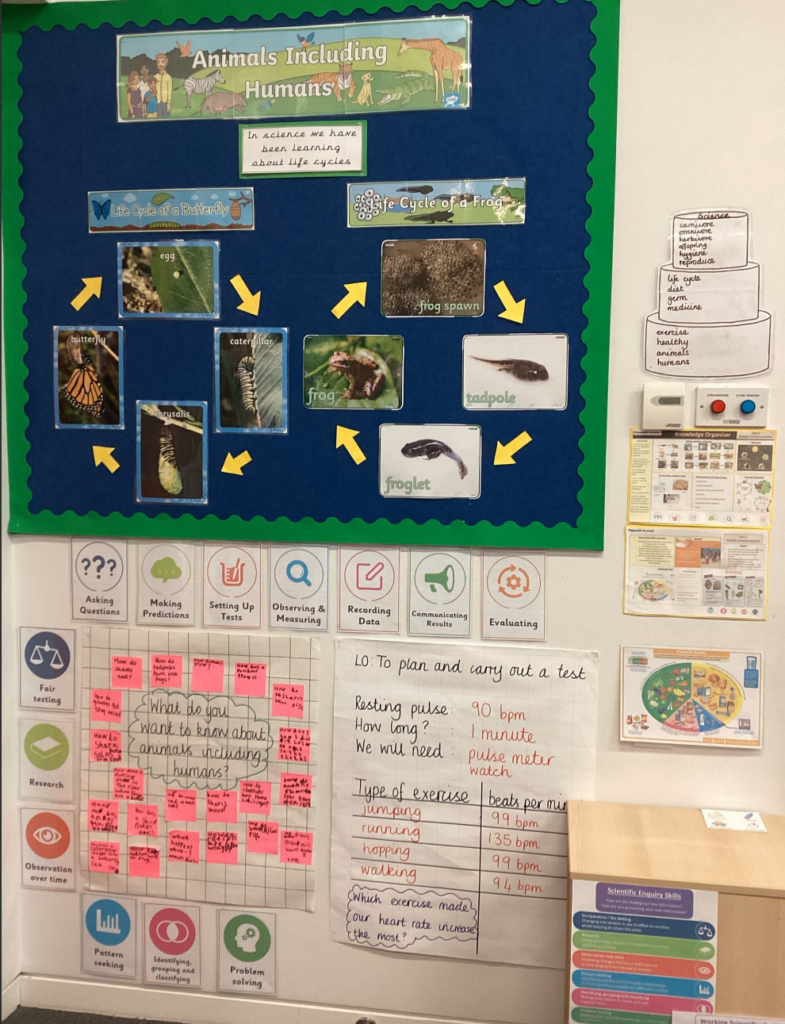
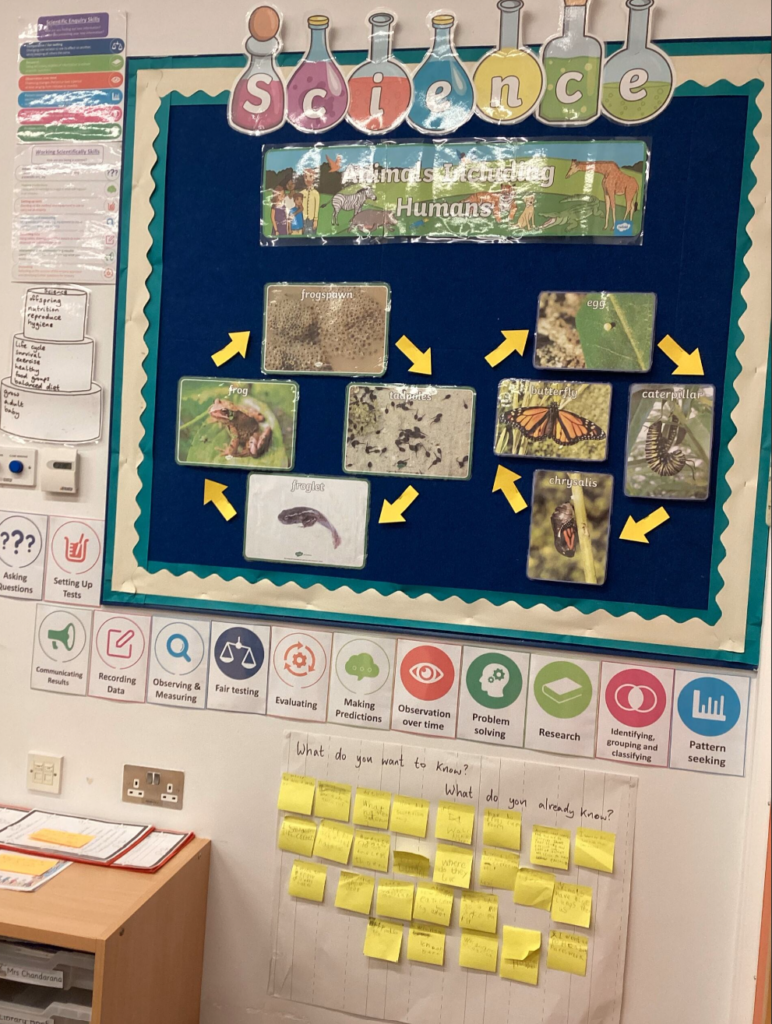
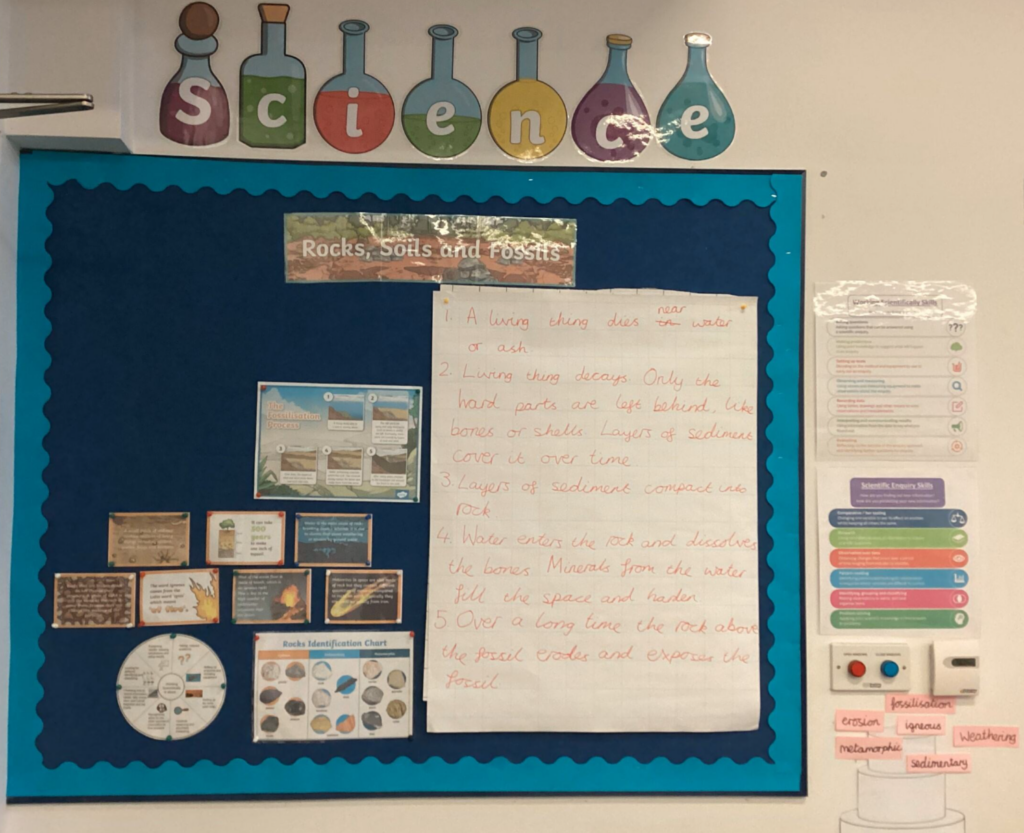
Scientific Enquiry Displays